The Last Jest
How Medieval Fools Gambled Their Lives for Entertainment

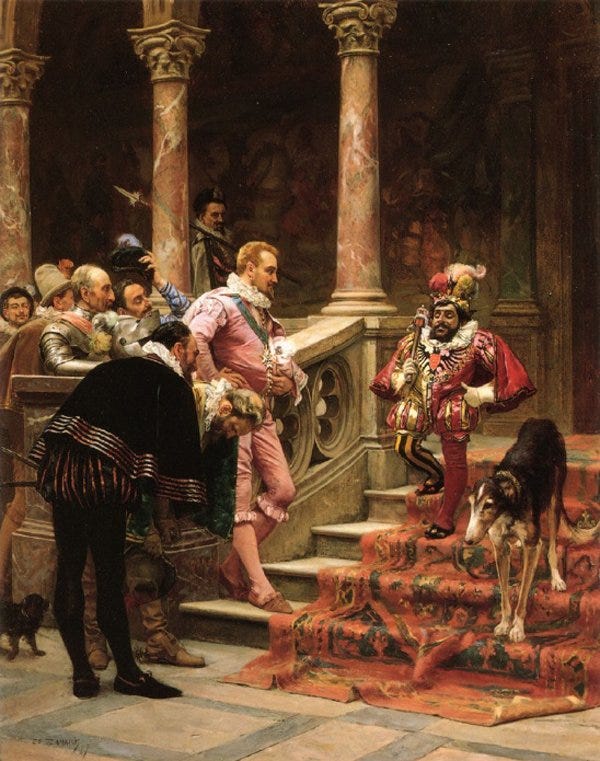
Imagine for a second we are in a crowded banquet hall in the 1400s. A jester cartwheels across the flagstones, his painted face contorted in exaggerated expressions. The nobles roar with laughter as he mocks the visiting ambassador’s accent. Now pull back the curtain. That same jester will sleep tonight in the castle’s lower quarters, sharing straw bedding with the hounds. Tomorrow, if his joke lands wrong or if the king wakes in a foul mood, he could be whipped, imprisoned, or executed. The performance you witnessed was a desperate high-wire act where every punchline carried the burden of survival.
We remember jesters as whimsical figures of entertainment, immortalized in Shakespeare and sanitized by centuries of romance. This collective memory has scrubbed away the blood and terror. Historical records tell a different story. These were often people with dwarfism, physical disabilities, or mental differences who had no other means of survival in a brutal social order. Courts purchased them, traded them, and displayed them as curiosities. Their humor was currency, and the exchange rate fluctuated with royal temperament. The jester’s privileged position to speak truth to power, so celebrated in legend, was in reality a psychological trap. They could say what others could not precisely because they were considered less than human, their words dismissed as the ravings of a fool even as they entertained.
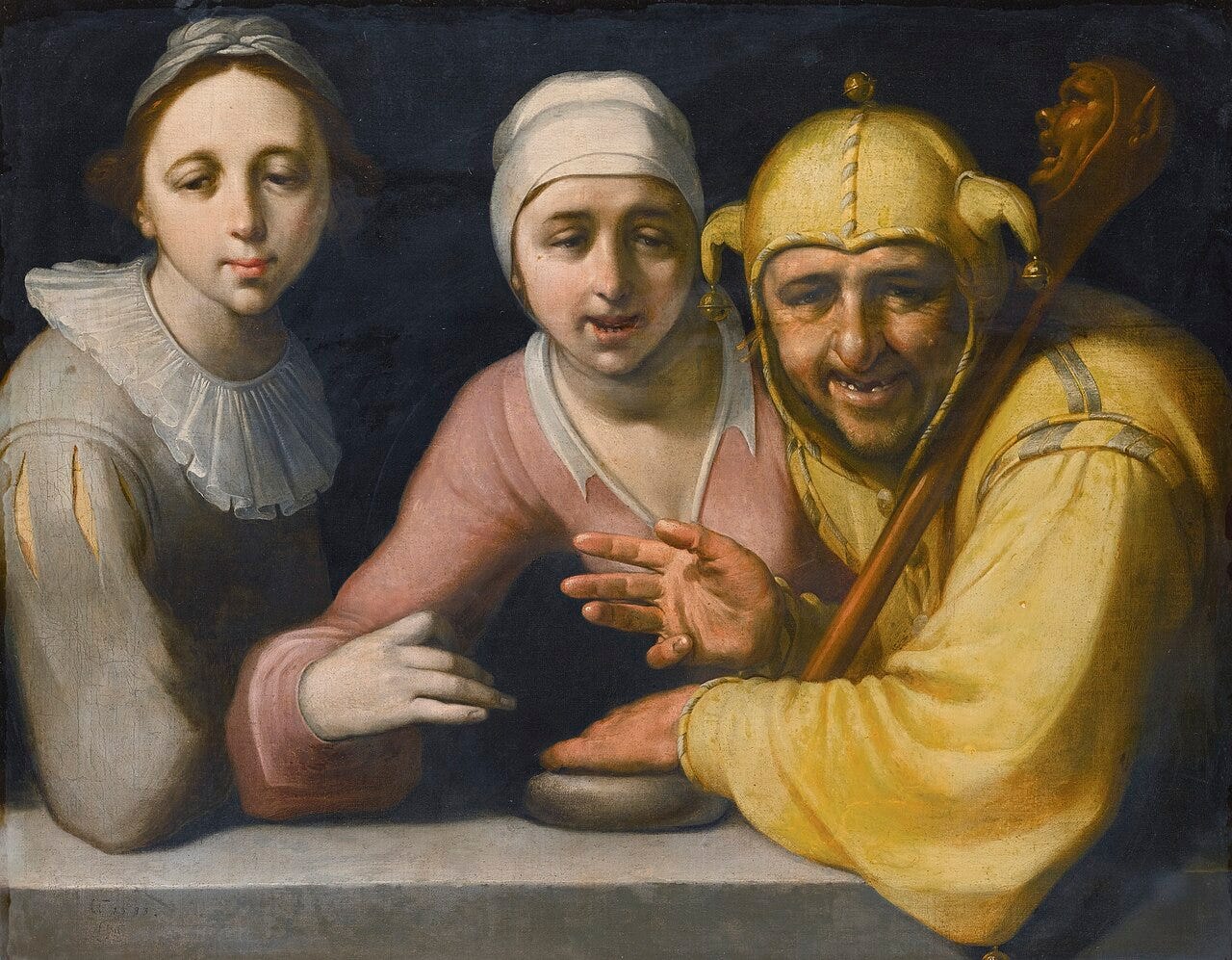
The medieval and Renaissance courts operated as absolute monarchies where a ruler’s word was divine law. Kings and queens held power over life and death with no system of appeals, and no protection for the accused. The jester existed in the most dangerous possible position, required to be intimate with rulers while remaining utterly expendable. They witnessed palace intrigues, overheard state secrets, even observed their masters at their worst. This knowledge made them valuable and vulnerable in equal measure. When political winds shifted, when alliances fractured, and the jester had no protection. They wore motley and bells as the uniform of the condemned, performing their way through each day, knowing that laughter was the only thing standing between them and the dungeon.
Favor and Fury
The court jester occupied the strangest position in the medieval hierarchy. They could tell a king to his face that he was being foolish, greedy, or absurd. They lampooned ministers, mocked visiting dignitaries, and exposed the petty squabbles of the nobility in front of entire courts. This freedom came from their official status as non-persons. A jester’s insults didn’t count because jesters didn’t count. Their critiques were permitted precisely because they could be dismissed as meaningless noise from someone who wore bells and carried a puppet. The permission to speak truth was really permission to be ignored, and the jester had to perform the impossible task of being both brave enough to say what others wouldn’t and careful enough to never actually matter. They walked a razor’s edge where effectiveness meant death. Make the king think too hard about your criticism and you stopped being entertainment. You became a threat.
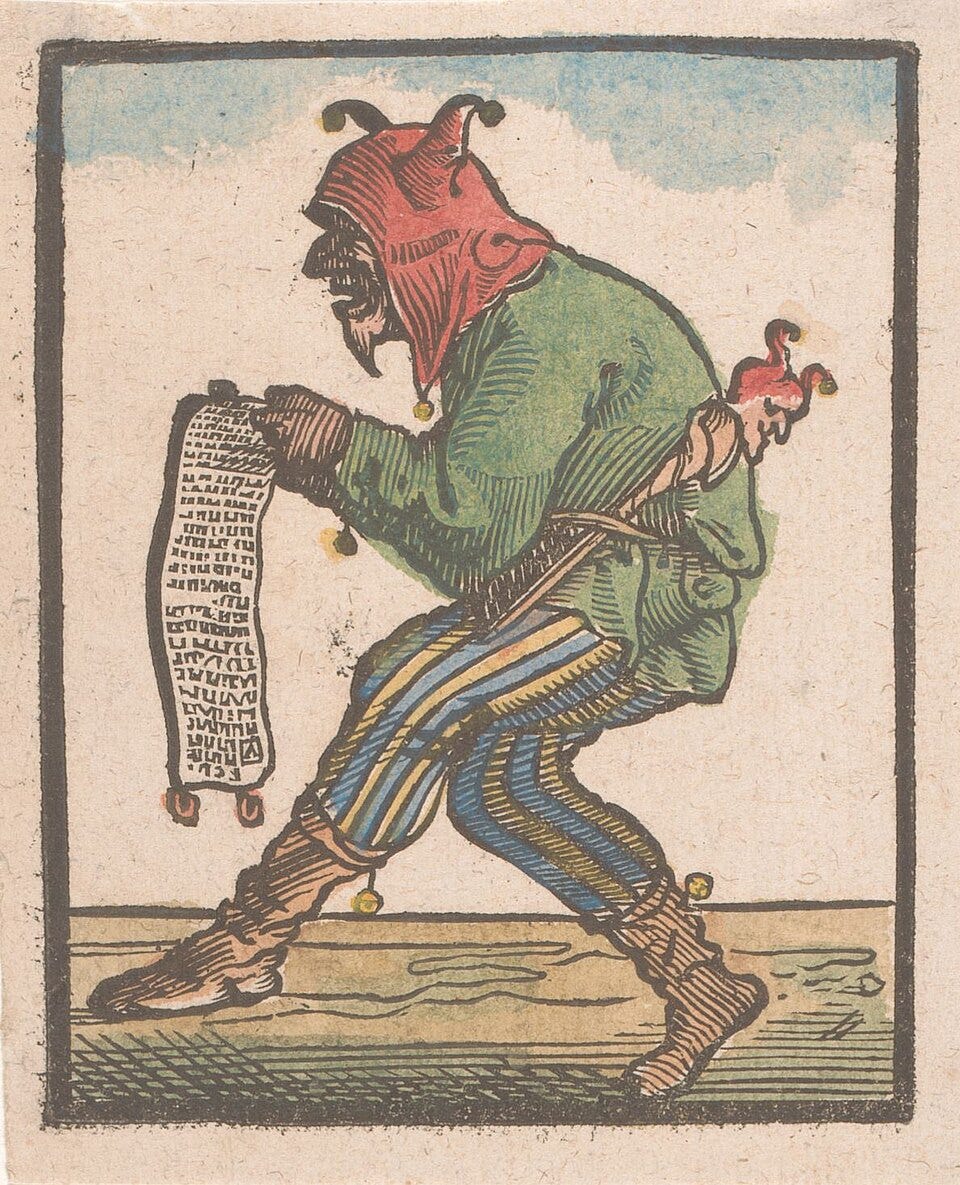
Every performance was an examination with lethal consequences for failure. The jester needed to wake up each morning and assess the political situation like a general planning a campaign. Who was in favor this week? Which faction was ascendant? Had the king slept poorly? Was the queen angry about something? Were foreign ambassadors visiting who might be offended by certain material? The jester maintained mental dossiers on every important person in court, tracking their rivalries, their insecurities, their current standing with the monarch. They had to be anthropologist, psychologist, and political analyst all at once, synthesizing this information into comedy that landed perfectly for an audience that held their life in their hands. The job offered no sick days, no off nights, no moments of writer’s block. Be funny now, in this moment, for these specific people, or face consequences that ranged from humiliation to execution. The pressure broke many of them. Historical accounts mention jesters who drank themselves to death, who went mad, and who simply vanished from the record after one bad performance.
Espionage and Scapegoats
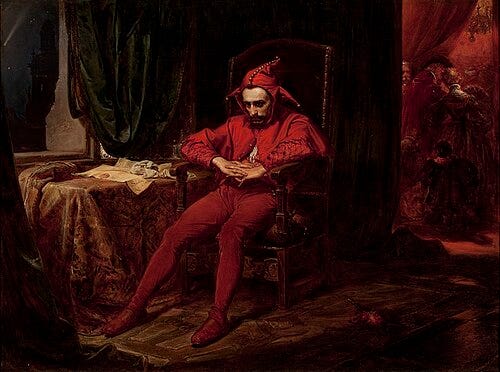
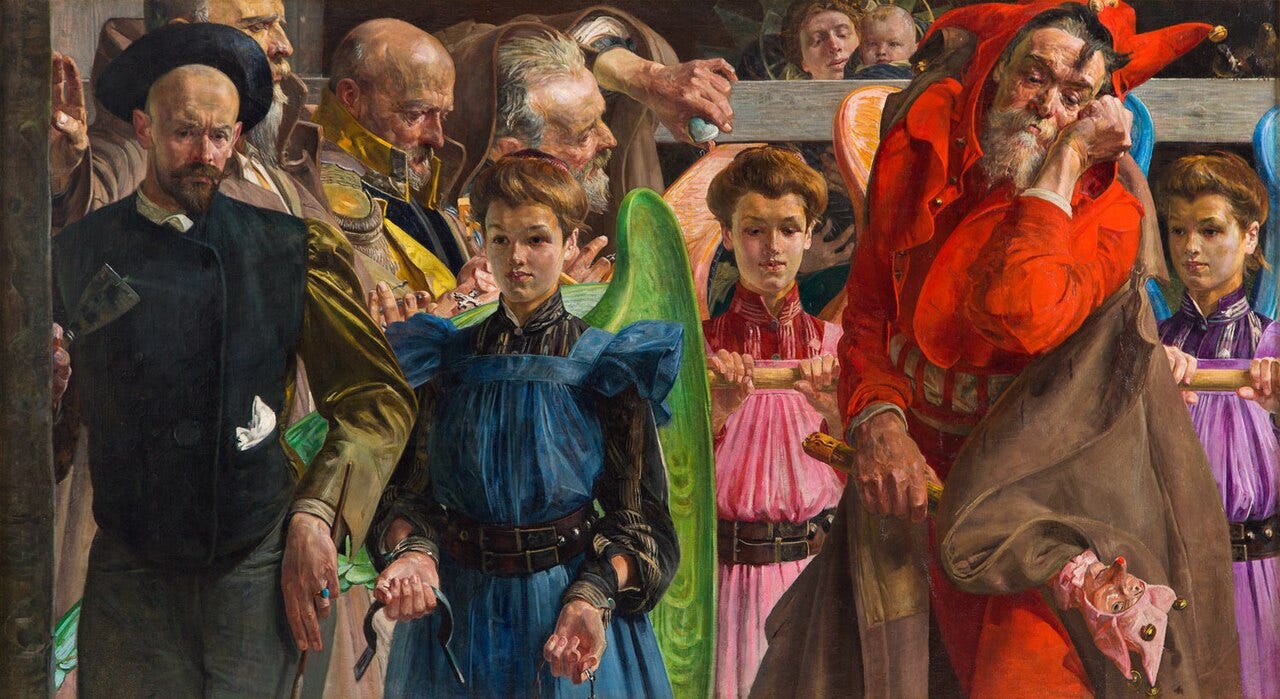
The jester’s access to private royal chambers made them perfect informal spies. Kings used them to gather information that couldn’t be obtained through official channels. A jester could wander freely through the palace, sit in on private conversations, and ask seemingly innocent questions that were actually intelligence gathering. Stańczyk, jester to three Polish kings, regularly reported on the mood of the nobility and warned of potential conspiracies. This shadow role put jesters in an impossible position. They accumulated dangerous knowledge about affairs of state, military plans, and royal secrets. Courtiers knew the jester heard everything and trusted them with nothing. Nobles suspected every joke contained coded information. The jester became simultaneously invaluable and hunted, a repository of secrets that multiple factions wanted to exploit or eliminate.
When policies failed or decisions backfired, monarchs needed someone to absorb the public’s anger without damaging the crown’s authority. The jester was perfect for this. They could be paraded out to take credit for unpopular ideas, their low status making them safe targets for public fury. When taxes needed to be raised, the jester “suggested” it first, making the policy seem like a joke before it became law. When military campaigns went poorly, the jester’s earlier encouragement was suddenly remembered and punished. Beatrice d’Este’s jester was blamed for advising a disastrous marriage alliance, though records show the decision was made by her council. Archibald Armstrong, jester to James I and Charles I, was officially banished for insulting Archbishop Laud, but his real crime was becoming too associated with the king’s unpopular religious policies. The crown needed distance from its own decisions. The jester provided it. They absorbed consequences meant for others, a human shield against accountability.
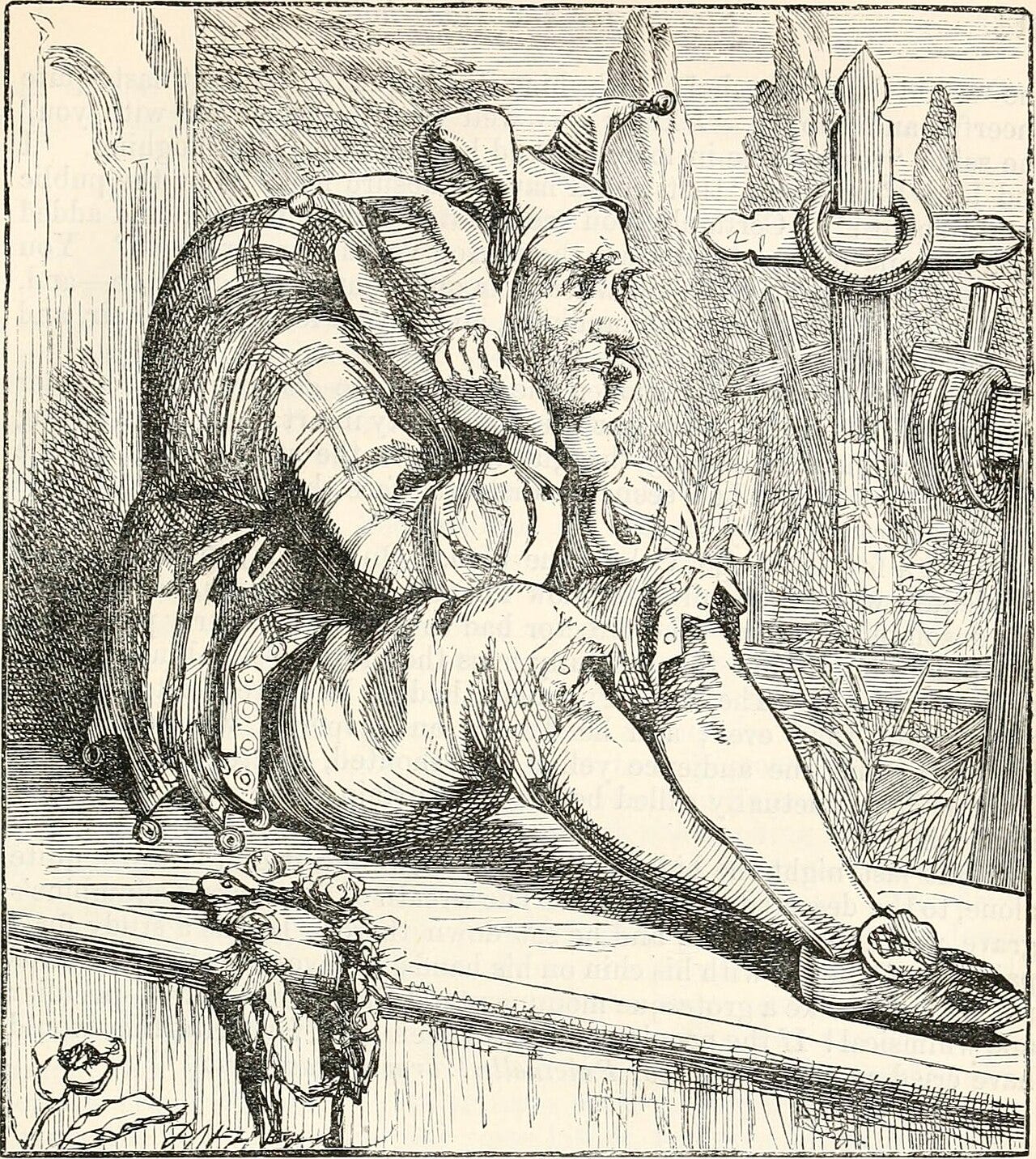
Living with constant access to lethal information destroyed jesters psychologically. They knew which nobles were plotting against the king. They knew about illegitimate children, poisoning attempts, financial crimes, and military weaknesses. Every secret they held was a potential death sentence. Tell the wrong person and you’re a traitor. Stay silent when you should have warned someone and you’re complicit. Use the information in a joke and you’ve revealed you know too much. The mental calculus was exhausting. Jeffrey Hudson, jester to Charles I’s queen, developed such severe paranoia from court intrigues that he killed a man in a duel over a perceived insult, destroying his own career. Jane Foole reportedly suffered from what we’d now recognize as anxiety attacks, made worse by her proximity to Mary I’s brutal religious persecutions. These were people trapped in a surveillance state where they were both the watchers and the watched, carrying secrets that could topple kingdoms while dressed in motley and expected to make people laugh. The cognitive dissonance broke many of them. They self-medicated with alcohol, withdrew into genuine madness, or became the very fools they’d been pretending to be all along.
If this kind of historical deep dive resonates with you, consider supporting my work. I keep these articles free because everyone deserves access to the stories that got buried under centuries of mythology.
This is SO interesting I really enjoyed reading it
fantastic piece. I learned a great deal from you and it was an engaging read. I have zero idea how we don’t have more movies about jesters as their lives were so insane to imagine. Cheers.